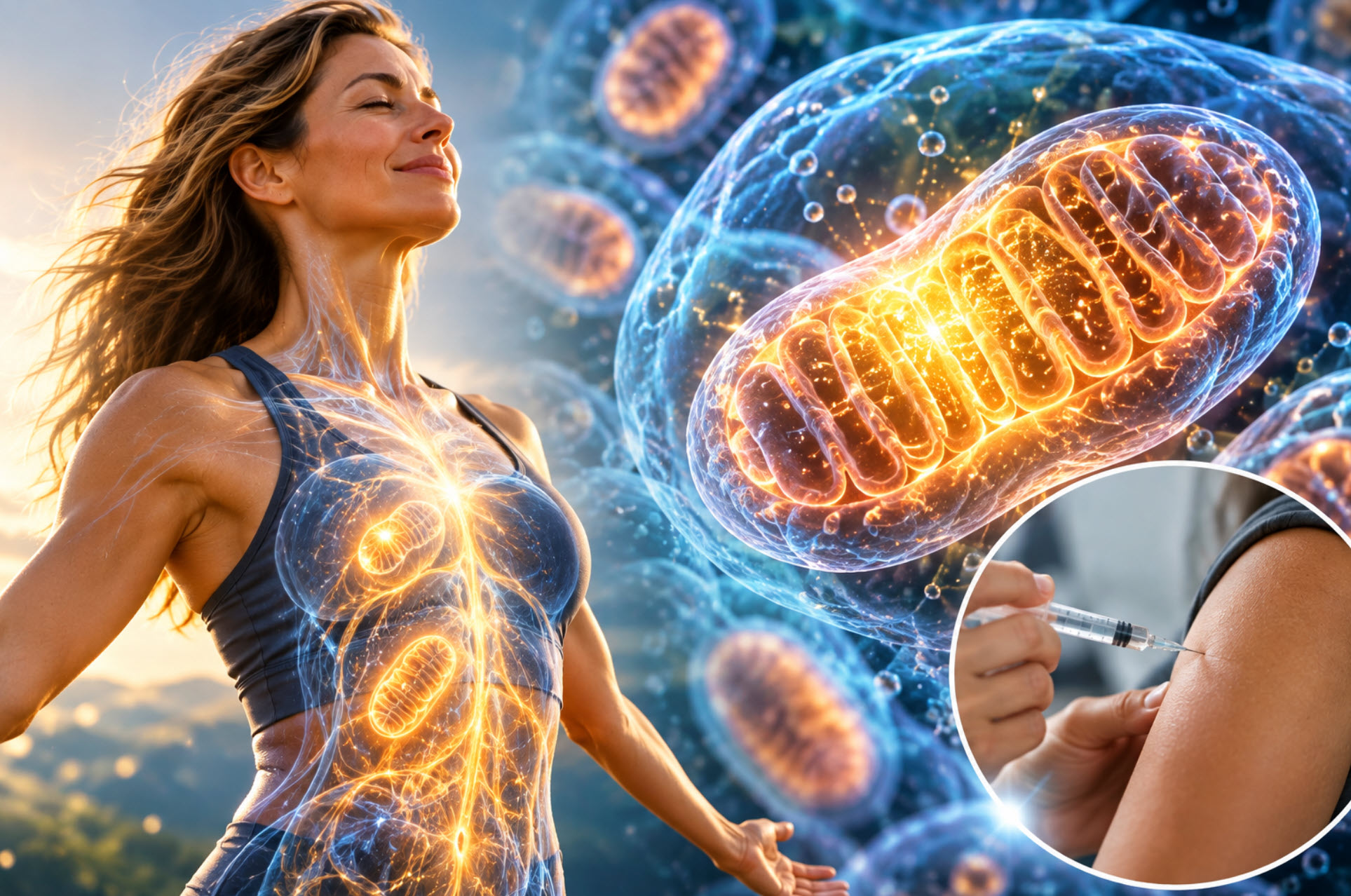
One molecule receiving growing attention in longevity research is nicotinamide adenine dinucleotide, better known as NAD+. NAD+ Injections are designed to deliver NAD+ directly, with the goal of supporting the cellular processes involved in energy production, repair, and healthy aging. Interest in this approach has grown as researchers continue to study the relationship between NAD+ levels, mitochondrial function, and age-related changes in the body.
What Is NAD+ and Why Does It Matter?
NAD+ is a coenzyme found throughout the body. It participates in hundreds of cellular reactions and plays an essential role in converting nutrients into usable energy. Without sufficient NAD+, cells cannot efficiently perform many of the basic processes necessary to function.
One of its most important jobs takes place inside the mitochondria. Often described as the power plants of our cells, mitochondria convert energy from food into ATP, the molecule cells use as their primary energy source. NAD+ helps transfer electrons during this process, making it a central part of cellular energy production.
But energy production is only part of the story.
NAD+ is also involved in DNA repair, cellular signaling, gene expression, metabolic regulation, and the activity of enzymes associated with the body's response to cellular stress. These functions help explain why NAD+ has become such an important area of longevity research.
NAD+ Levels Change With Age
The body naturally produces and recycles NAD+, but those levels do not necessarily remain constant throughout life. Research suggests NAD+ availability can decline with age, which has led scientists to investigate whether declining NAD+ contributes to some of the cellular changes associated with aging.
That does not mean low NAD+ is responsible for aging itself. Aging is far more complicated than any single molecule or biological pathway. Still, the connection is interesting because NAD+ participates in several processes that become increasingly important as cells experience accumulated stress over time.
Researchers are particularly interested in the relationship between NAD+ and mitochondrial function. When mitochondria operate efficiently, cells have better access to the energy needed to perform their normal jobs.
When mitochondrial function declines, tissues that require large amounts of energy may be especially affected. That makes maintaining cellular energy an important part of the broader conversation surrounding healthspan.
Why Cellular Energy Matters for Long-Term Vitality
When people think about energy, they usually think about whether they feel tired. Cellular energy is a much broader concept.
Every organ and tissue depends on energy. Muscles need it to contract and recover. The brain requires tremendous amounts of energy to maintain normal signaling and cognitive function. The immune system needs energy to respond appropriately to challenges. Cells also require energy to repair damage and maintain normal biological processes.
NAD+ supports several functions that researchers are studying in connection with healthy aging:
- Cellular energy production: NAD+ is required for metabolic reactions involved in converting nutrients into ATP.
- Mitochondrial function: NAD+ participates directly in the pathways mitochondria use to produce energy.
- DNA repair: NAD+ is used by enzymes involved in identifying and repairing certain types of cellular damage.
- Cellular stress response: NAD+-dependent enzymes help regulate how cells respond to biological stress.
- Metabolic function: NAD+ participates in pathways involving glucose, fats, and overall energy metabolism.
- Healthy aging research: Scientists continue to investigate whether maintaining NAD+ availability can influence biological processes associated with aging.
This combination of functions is why NAD+ has moved beyond the supplement conversation and into a much larger discussion about longevity.
Why Use NAD+ Injections?
There are several ways researchers and longevity-focused clinicians have attempted to increase NAD+ availability. Some strategies use precursor compounds such as nicotinamide riboside, or NR, and nicotinamide mononucleotide, or NMN. These compounds provide materials the body can use to produce NAD+.
Another approach is to administer NAD+ itself.
NAD+ has traditionally been associated with intravenous infusions in wellness and longevity clinics. While IV administration delivers NAD+ directly, infusions can require lengthy appointments and can become expensive when performed regularly.
Subcutaneous injections offer another option. Instead of spending hours receiving an infusion, prescribed NAD+ can be self-administered under the skin according to a clinician-guided treatment plan. This makes repeated dosing more practical for people using NAD+ as part of a longer-term health strategy.
AgelessRx, for example, currently uses provider-guided dosing in which treatment may begin at a lower amount and gradually increase depending on individual response. The company states that its NAD+ injections are administered subcutaneously one to three times per week according to the prescribed protocol.
Energy May Be Only One Part of the Picture
People exploring NAD+ frequently begin because they are interested in energy, fatigue, mental clarity, or recovery. Those are understandable goals, but the longevity interest in NAD+ extends deeper.
NAD+ is required by enzymes known as sirtuins, which participate in metabolic regulation and cellular stress responses. It is also consumed by enzymes involved in repairing damaged DNA. These relationships have made NAD+ metabolism an important target in research examining what happens to cells as they age.
The theory is relatively straightforward. If NAD+ availability declines while cellular demands remain high, restoring NAD+ could potentially support some of the processes that depend on it.
What remains less certain is how much increasing NAD+ translates into measurable long-term improvements in human health.
A 2026 systematic review found clear biological activity from NAD+-boosting strategies, particularly increases in NAD-related biomarkers from compounds such as NR and NMN, but concluded that evidence for meaningful anti-aging or wellness outcomes in humans remains inconsistent.
The review also found limited clinical evidence specifically evaluating parenteral NAD+ itself for these purposes. That distinction matters when evaluating claims about long-term health or anti-aging outcomes.
NAD+ Is Part of a Larger Longevity Strategy
No injection can replace the fundamentals of healthy aging. Exercise, adequate sleep, good nutrition, maintaining healthy body composition, avoiding smoking, controlling cardiovascular risk factors, and staying metabolically healthy remain foundational.
NAD+ is better viewed as one potential component within that larger strategy.
This is also where personalized longevity medicine becomes important. Someone experiencing declining energy may have completely different needs from someone primarily interested in exercise recovery or maintaining metabolic health with age. Treatment should account for medical history, medications, symptoms, goals, and individual response.
NAD+ injections are prescription treatments and should involve appropriate medical evaluation and ongoing oversight. Injection-site irritation is among the commonly reported side effects, and individual experiences can vary.
AgelessRx also notes that its compounded NAD+ products have not been reviewed or approved by the FDA for safety, efficacy, or quality.
For people interested in exploring NAD+ without regular trips to an infusion clinic, AgelessRx is a respected telehealth platform where eligible patients can Buy NAD+ following an online medical evaluation. Its program includes clinician-guided dosing, ongoing provider support, prescription adjustments when appropriate, and NAD+ supplied through U.S.-licensed compounding pharmacies.
AgelessRx offers online medical evaluation, provider support, and NAD+ supplied through U.S.-licensed compounding pharmacies.
The larger story surrounding NAD+ is not simply about finding another way to feel more energetic. It is about understanding what allows cells to continue functioning effectively over time. NAD+ sits at the intersection of energy production, metabolism, cellular repair, and several biological pathways being studied in aging research. There is still much to learn about whether increasing NAD+ can translate into longer-term healthspan benefits in humans, but its fundamental role in cellular biology makes it an important part of the ongoing longevity conversation.